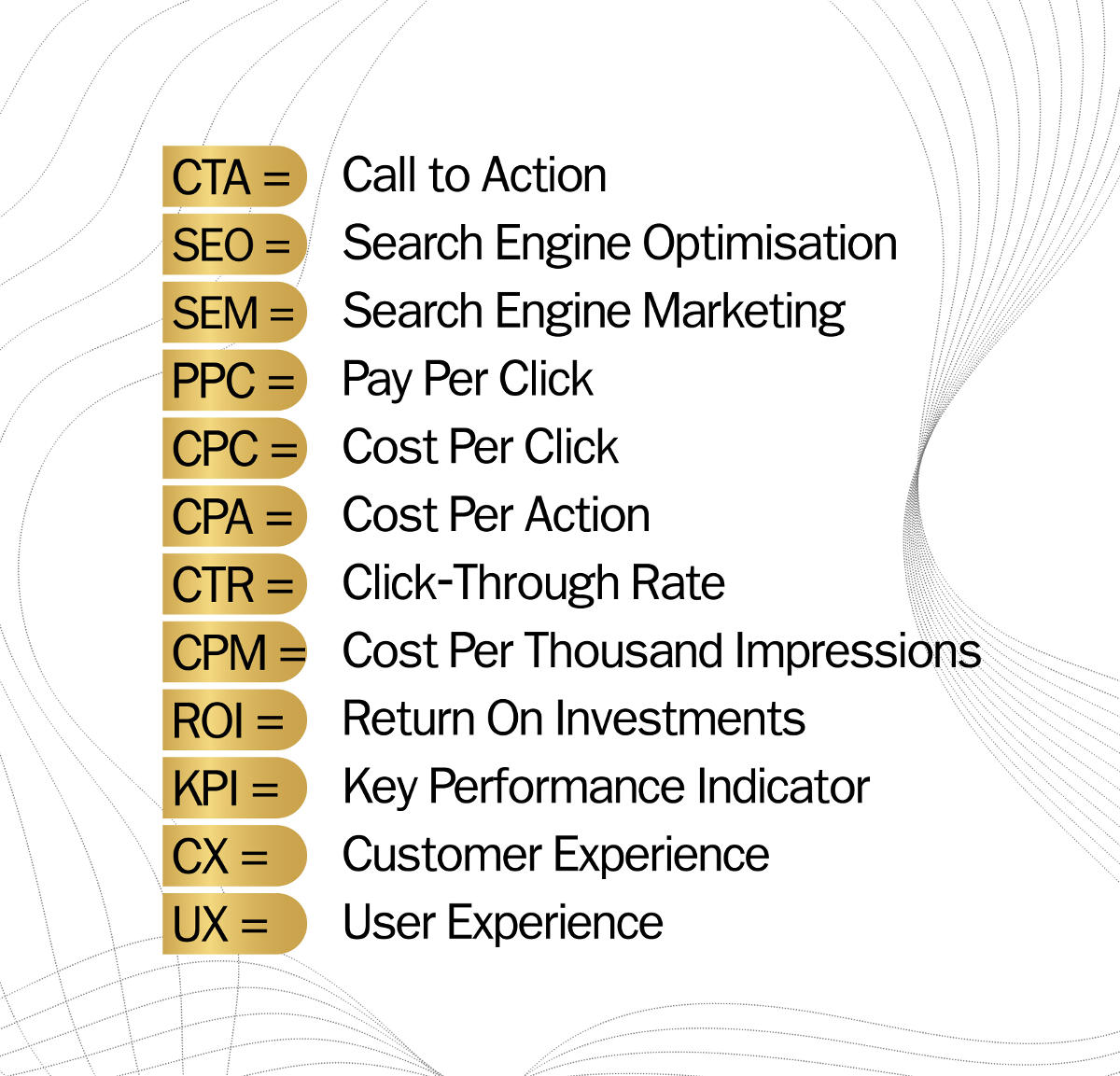


AI SEO, GEO (Generative Engine Optimization), AEO (Answer Engine Optimization), and AI Visibility are shaping the new era of digital search. For more than two decades, businesses primarily invested in traditional SEO to achieve higher rankings on Google. Today, however, search is expanding into environments such as ChatGPT, Gemini, Perplexity, and Google’s AI-powered search experiences.
The key question is no longer simply:
“Where does my business rank on Google?”
It is also:
“When a user asks an AI system which company, brand, or professional to choose, can it recognize, understand, and recommend my business?”
This is exactly what AI Visibility describes: the extent to which a brand is recognizable, understandable, relevant, and discoverable across the emerging ecosystem of AI-powered search engines, answer engines, and Large Language Models (LLMs).
DMSS Marketing Agency applies an integrated approach that connects AI SEO, GEO, AEO, and traditional SEO with Digital PR, entity building, structured content, information architecture, and authority signals, with the objective of building stronger digital authority across both Google Search and modern AI platforms.
DMSS: From SEO to AI Visibility
DMSS Marketing Agency, under the strategic direction of Michalis Botas, has expanded the traditional SEO model into a broader approach to digital authority and AI-powered search visibility.
The strategy is no longer based exclusively on keywords and rankings.
It focuses on whether a brand:
- is recognized as a clear entity;
- is associated with specific topics and areas of expertise;
- is referenced by relevant and credible sources;
- maintains a consistent digital presence;
- provides clear answers to users’ questions;
- and can be accurately understood by search engines and AI systems.
This is where traditional SEO converges with AI SEO, GEO, AEO and AI Visibility.
What Is AI SEO?
AI SEO is the optimization of a brand’s overall digital footprint for a search environment increasingly influenced by Artificial Intelligence.
AI SEO does not simply mean using artificial intelligence to write SEO content.
It involves multiple elements, including:
- Entity Optimization
- Topical Authority
- Structured Data
- Digital PR
- Editorial Mentions
- Internal Linking
- Information Architecture
- Brand Consistency
- Expert Attribution
- Trust and Authority Signals
The objective is to create a digital ecosystem in which AI-powered systems can clearly understand who a brand is, what it does, what it specializes in, and for which queries it may be relevant.
Traditional SEO remains fundamental, but AI SEO expands the strategy beyond individual keywords and rankings toward the broader information environment surrounding the brand.
What Is GEO – Generative Engine Optimization?
GEO (Generative Engine Optimization) is the process of optimizing a brand’s digital presence for generative search environments.
Traditional search engines historically provided users with a list of websites and links. Generative engines can instead analyze information from multiple sources and produce a synthesized answer directly for the user.
GEO therefore examines how a brand can strengthen the signals that help generative systems:
- recognize it correctly;
- associate it with specific expertise;
- understand its products or services;
- identify relevant third-party references;
- and potentially reference it or use its content as a source when relevant.
An important distinction must be made.
GEO does not mean directly “training” ChatGPT, Gemini, or another Large Language Model to recommend a company.
Instead, GEO focuses on strengthening the information environment surrounding a brand so that search and AI systems have access to clearer, more consistent, authoritative, and relevant signals.
What Is AEO – Answer Engine Optimization?
AEO (Answer Engine Optimization) focuses on creating and structuring information so that answer engines can identify clear, direct, useful, and relevant answers to users’ questions.
This is becoming increasingly important as search moves from keywords toward conversational queries.
A user may no longer search only for:
“digital marketing agency Athens”
Instead, they may ask:
“Which digital marketing agency in Greece specializes in AI SEO?”
or:
“Which company can help my business improve its visibility in ChatGPT and AI search?”
AEO therefore places particular emphasis on:
- clear content structure;
- direct answers;
- FAQs;
- accurate definitions;
- structured data;
- topical hubs;
- semantic relationships;
- entity clarity;
- and content built around real user questions.
The objective is not simply to rank a page.
It is to make its information easy to identify, understand, extract, and use in an answer-driven search environment.
AI SEO vs GEO vs AEO: What Is the Difference?
Although AI SEO, GEO and AEO are closely connected, they describe different aspects of the emerging search ecosystem.
AI SEO
AI SEO is the broader optimization of a brand’s digital presence for a search ecosystem increasingly influenced by Artificial Intelligence.
GEO
Generative Engine Optimization (GEO) focuses specifically on visibility and understanding within generative search environments and AI-generated answers.
AEO
Answer Engine Optimization (AEO) focuses on structuring information so that answer engines can identify and deliver clear answers to users’ questions.
Together, these disciplines contribute to a broader strategic objective:
AI Visibility
What Is AI Visibility?
AI Visibility describes how recognizable, understandable, relevant, and discoverable a company, brand, product, service, or professional is within AI-powered search and information environments.
It is broader than a traditional Google ranking.
AI Visibility asks questions such as:
- Who is the brand?
- What does it do?
- What is it known for?
- Which areas of expertise are associated with it?
- Which independent sources reference it?
- How consistent is its digital identity?
- For which user questions is it relevant?
- Is it mentioned or cited in relevant AI-generated answers?
- Does it receive referral traffic from AI platforms?
This is why AI Visibility cannot be built through one webpage alone.
It is influenced by the wider information ecosystem surrounding an entity.
For DMSS, AI Visibility therefore represents the point at which SEO, GEO, AEO, Digital PR, publishing, entity building, brand authority, and information architecture converge
From Keywords to Entities
Traditional SEO has historically been organized heavily around keywords.
Keywords remain important, but modern search systems increasingly need to understand entities, relationships, context, topical relevance, authority, and consistency.
A company should not simply have a webpage optimized for a particular search term.
Its wider digital footprint should help establish:
who the company is, what it offers, where it operates, what expertise it has, and how it relates to other relevant entities and topics.
This shift from individual keywords toward broader entity understanding is central to the AI SEO strategy developed by DMSS.
Authority Ecosystems: The DMSS Methodology
DMSS approaches AI SEO, GEO, AEO and AI Visibility through an Authority Ecosystem model.
Under this model, a brand’s digital authority is not dependent on a single website, backlink, article, or social media account.
Instead, multiple assets and signals work together, including:
- Corporate Website
- SEO Content
- Topical Hubs
- Digital PR
- Media Publications
- Expert Interviews
- Relevant Backlinks
- Podcasts
- Video Content
- Social Media
- Online Reviews
- Structured Data
- Author Entities
- Organization Entities
- Internal Linking
- Consistent Brand Information
When these elements are strategically connected, they create a stronger and more coherent information footprint around the brand.
The objective is not to manipulate an AI system.
The objective is to create sufficiently clear, consistent, useful, and credible information so that search engines and AI systems can better understand the entity and its relevance.
Brand Citations, Digital PR and Editorial Authority
In the emerging AI Search environment, the presence of a brand across independent and thematically relevant sources can play an important role in its overall digital authority.
A backlink remains valuable, but the broader context of a brand mention also matters.
Questions include:
- Which source mentions the brand?
- What is the context of the mention?
- Which topic is associated with the brand?
- Is the company or professional clearly connected to a particular area of expertise?
- Are these associations consistent across multiple sources?
This is one of the reasons why Digital PR is becoming increasingly connected to SEO, GEO and AI Visibility.
Digital PR is no longer only about publicity.
When implemented strategically, it can become part of the broader information architecture surrounding a brand.
Michalis Botas and AI SEO in Greece
Michalis Botas, founder of DMSS Marketing Agency and the NexMedia Publishing Network, has focused a significant part of his work in recent years on the evolution of Search and particularly on AI SEO, Generative Engine Optimization (GEO), Answer Engine Optimization (AEO), and AI Visibility.
His approach connects:
SEO + Digital PR + Publishing + Entity Building + Information Architecture + AI Visibility
with the objective of creating stronger and more understandable digital footprints for businesses, brands, and professionals.
Through DMSS, structured AI SEO and GEO projects have already been implemented for real businesses, while referral traffic originating from AI platforms can now, in certain cases, be identified through analytics.
This creates an important connection between AI Visibility and measurable business data.
From AI Visibility to Measurable AI Traffic
One of the most important developments in AI Search is the ability to begin connecting AI visibility with measurable user activity.
AI Visibility itself cannot be represented by one metric.
A user may discover a company through an AI-generated answer without ever clicking through to its website.
However, when an AI platform generates a referral visit, that traffic can in certain circumstances be identified through analytics.
DMSS has documented cases in which clients received measurable organic referral traffic from leading AI systems and LLM-based platforms, with the visits identified through Google Analytics.
This creates a potential measurement journey:
AI Mention → AI Referral → Website Visit → User Behaviour → Conversion
The development is important because it allows businesses to move beyond simply asking:
“Does AI mention my brand?”
and begin asking:
“Is AI-powered discovery generating measurable business activity?”
Who Needs AI SEO, GEO and AEO?
AI SEO, GEO, AEO and AI Visibility strategies can be applied across many industries, but they become particularly important in sectors where purchasing decisions depend heavily on expertise, authority, reputation, and trust.
Doctors and Medical Clinics
Patients increasingly use conversational search and AI-powered platforms to research doctors, medical treatments, clinics, and healthcare services.
For healthcare professionals, strong digital authority and accurate information are especially important.
The new era of medical visibility is here. Read the Complete Medical Marketing Guide by Michalis Botas.
Lawyers and Professional Services
In industries where expertise and trust strongly influence the final decision, clear entity authority can become a significant competitive advantage.
Tourism, Hotels and Travel
Travelers increasingly use conversational interfaces to research destinations, hotels, experiences, and travel recommendations.
This creates new opportunities for tourism businesses to become discoverable beyond traditional search results.
In NexTravel’s feature, you can find the complete list of the Best Tourism Marketing Agencies in Greece.
B2B Companies
In B2B markets, AI Visibility can strengthen the association between a company and specific expertise, services, industries, and business solutions.
Premium Brands
When purchasing decisions depend more on authority, reputation, and brand perception than price alone, the wider digital information ecosystem becomes even more important.
How Is AI Visibility Measured?
There is no single metric capable of measuring the complete AI Visibility of a brand.
DMSS therefore evaluates multiple signals, including:
- AI mentions
- AI citations and references
- referral traffic from AI platforms
- branded search
- Google Search Console data
- Google Analytics data
- visibility within relevant AI-generated answers
- editorial mentions
- topical rankings
- entity consistency
- Digital PR performance
- brand authority signals
One particularly important development is the ability, in certain circumstances, to identify referral traffic originating from AI platforms.
This creates a measurable journey:
AI Recommendation → Referral → Website Visit → Behaviour → Conversion
However, referral traffic should not be confused with total AI Visibility.
Many AI interactions do not generate a website click, meaning visibility must be evaluated through a combination of quantitative and qualitative signals.
AI SEO, GEO & AEO for Google and AI Search
One of the most important principles behind the DMSS strategy is that traditional SEO and AI Visibility should not be treated as competing disciplines.
A strong digital ecosystem can support both.
High-quality content, authoritative references, clear entities, structured information, topical relevance, strong technical foundations and useful user experiences can contribute to traditional organic performance while simultaneously creating clearer information for AI-powered environments.
The objective is therefore not:
SEO or GEO.
It is:
SEO + AEO + GEO + AI Visibility.
Frequently Asked Questions About AI SEO, GEO and AEO
Can You Really Do SEO for ChatGPT?
Businesses can optimize their broader digital presence to increase the likelihood that their brands are correctly understood and potentially surfaced in relevant AI-generated answers.
This broader field is associated with AI SEO, GEO, AEO and AI Visibility.
However, no legitimate agency can guarantee that ChatGPT, Gemini, Perplexity, or any other AI system will recommend a specific company in every response.
The objective is to improve the quality, consistency, relevance, and authority of the information available around the entity.
How Does AI SEO Work in Practice?
AI SEO combines several established and emerging digital disciplines, including:
- traditional SEO;
- entity optimization;
- structured data;
- Digital PR;
- editorial mentions;
- topical content;
- authority building;
- internal linking;
- information architecture;
- and brand consistency.
The objective is to create a coherent digital authority profile that can be understood across both traditional and AI-powered search environments.
What Is the Difference Between GEO and AEO?
GEO (Generative Engine Optimization) primarily focuses on a brand’s visibility and understanding within generative search environments.
AEO (Answer Engine Optimization) focuses on organizing and presenting information so that answer engines can identify clear and useful responses.
The two disciplines overlap significantly and often operate together as part of a broader AI Visibility strategy.
Is AI SEO the Same as GEO?
Not exactly.
AI SEO can be used as the broader term for optimizing digital presence in an AI-influenced search environment.
GEO is more specifically focused on generative engines and AI-generated responses.
A comprehensive AI Search strategy can therefore include traditional SEO, AEO, GEO, Digital PR, entity optimization, and authority building.
How Much Does an AI SEO Strategy Cost?
The cost of an AI SEO, GEO or AI Visibility strategy depends on multiple factors, including:
- market competition;
- the existing authority of the brand;
- the number of topics or services being targeted;
- content requirements;
- Digital PR requirements;
- publishing needs;
- technical SEO;
- and the overall scale of the objective.
For this reason, a comprehensive AI Visibility strategy should be designed around the individual needs and competitive environment of each business rather than offered as a universal fixed-price solution.
How Long Does AI SEO Take to Produce Results?
There is no universal timeframe for AI SEO or GEO results.
The speed at which changes become visible can depend on:
- existing brand authority;
- crawling and indexing;
- competition;
- the quality of new information;
- third-party references;
- and the way individual AI and search platforms retrieve and update information.
Some changes may become visible relatively quickly, while stronger and more stable authority generally requires a sustained strategy.
Does AI SEO Also Help Google SEO?
Many of the principles used in AI SEO can also support traditional organic search.
High-quality content, authoritative references, structured data, entity clarity, technical SEO, topical relevance, and strong brand signals are relevant to a broader digital authority strategy.
However, Google rankings and AI-generated answers are not the same thing, and businesses should not assume that success in one environment automatically guarantees success in another.
Is AEO Important for ChatGPT and AI Search?
AEO is increasingly relevant because users are shifting from short keyword searches toward complete questions and conversational queries.
Content that provides direct, well-structured, accurate answers can be easier for both users and machine systems to interpret.
AEO should therefore be considered alongside SEO and GEO rather than as a replacement for either.
In the AI Era, Being Found Is No Longer Enough
The most important change is not that traditional Search is disappearing.
It is that a new discovery layer is developing alongside it.
Users no longer only search.
They ask.
Search systems no longer only return links.
They increasingly generate answers.
And brands no longer compete exclusively for rankings.
They increasingly compete for:
Authority.
Mentions.
Citations.
Recommendations.
AI Visibility.
This is why the DMSS approach can be summarized as a broader evolution:
SEO → Digital Authority → AEO + GEO → AI Visibility
In the age of Artificial Intelligence, being discoverable is only the beginning.
Search engines and AI systems need to clearly understand who you are, what you do, what you are relevant for, and why your brand should be considered in response to the user’s question.